Wellness Tips
Chiropractic Care in Bee Cave vs. Traditional Medicine: What You Need to Know for Lasting Health and Pain Relief
June 28, 2026

When your knee hurts, you know exactly where to look. When your back hurts, things aren't always so simple.
Pain is often the end result of weeks, months, or even years of stress, compensation, and changes in the way the body moves. By the time symptoms show up, the underlying issue may have been developing for quite some time.
Traditional medical care and corrective chiropractic care approach that challenge differently. Both have an important role. One is often focused on managing symptoms and protecting immediate health. The other focuses on identifying and correcting the structural problems that may be contributing to those symptoms in the first place, which is what can help you with lasting relief.
Key Takeaways
- Traditional medicine and chiropractic care serve different purposes. One often focuses on managing symptoms, while corrective care focuses on identifying and addressing underlying structural issues.
- Pain is often the final warning sign, not the starting point. The problem may have been developing for months or years before symptoms appeared.
- Corrective chiropractic care looks beyond temporary relief. The goal is to improve alignment, movement, posture, and function over time.
- Objective testing helps measure progress. Posture assessments and follow-up X-rays can show changes that symptoms alone may not reveal.
- Long-term results rarely come from a single adjustment. Lasting change often involves adjustments, rehabilitation exercises, and ongoing monitoring.
How Does Traditional Medicine Approach Pain and Health?
Traditional medicine plays an important role in healthcare. When someone is dealing with a serious injury, severe pain, or a medical emergency, treatments like imaging, medication, physical therapy, and surgery can provide answers and help protect long-term health.
The primary goal is often to diagnose the problem, reduce symptoms, and prevent the condition from getting worse.
Common Traditional Treatments
- Severe back spasms: Anti-inflammatory medications or muscle relaxers
- Injury recovery: Physical therapy to restore strength and movement
- Structural damage: Surgery for conditions such as herniated discs, fractures, or severe joint degeneration
When Are Medications or Surgery Needed?
Corrective chiropractic care is not the right solution for every situation. There are times when medication, surgery, or other medical interventions are necessary to protect a person's health, mobility, or quality of life.
For example, surgery may be recommended when there is significant structural damage or a risk of permanent nerve injury. Medications can also play an important role in managing inflammation, controlling severe pain, or helping patients recover from acute conditions.
Situations Where Surgery or Medications Are Critical
- Herniated discs causing nerve damage that leads to muscle weakness, loss of sensation, or changes in bladder or bowel function
- Severe arthritis affecting mobility and making everyday activities difficult
- Spinal fractures that require stabilization to heal properly
What Are the Limitations of Conventional Pain Relief?
Traditional treatments can be incredibly valuable, especially during an injury, flare-up, or medical emergency. The challenge is that symptom relief doesn't always tell the full story.
Many people have experienced this cycle: the pain improves, life gets busy again, and then a few weeks or months later, the symptoms return. That doesn't mean the treatment failed. It may simply mean the underlying cause was never fully addressed.
Risks of Relying Only on Conventional Care
- Symptoms improve, but the underlying problem remains
- Ongoing reliance on medication to manage recurring discomfort
- Potential side effects from long-term medication use, including dizziness, stomach irritation, or other complications
- Repeated flare-ups that disrupt work, exercise, hobbies, and daily life
What Is Corrective Chiropractic Care?
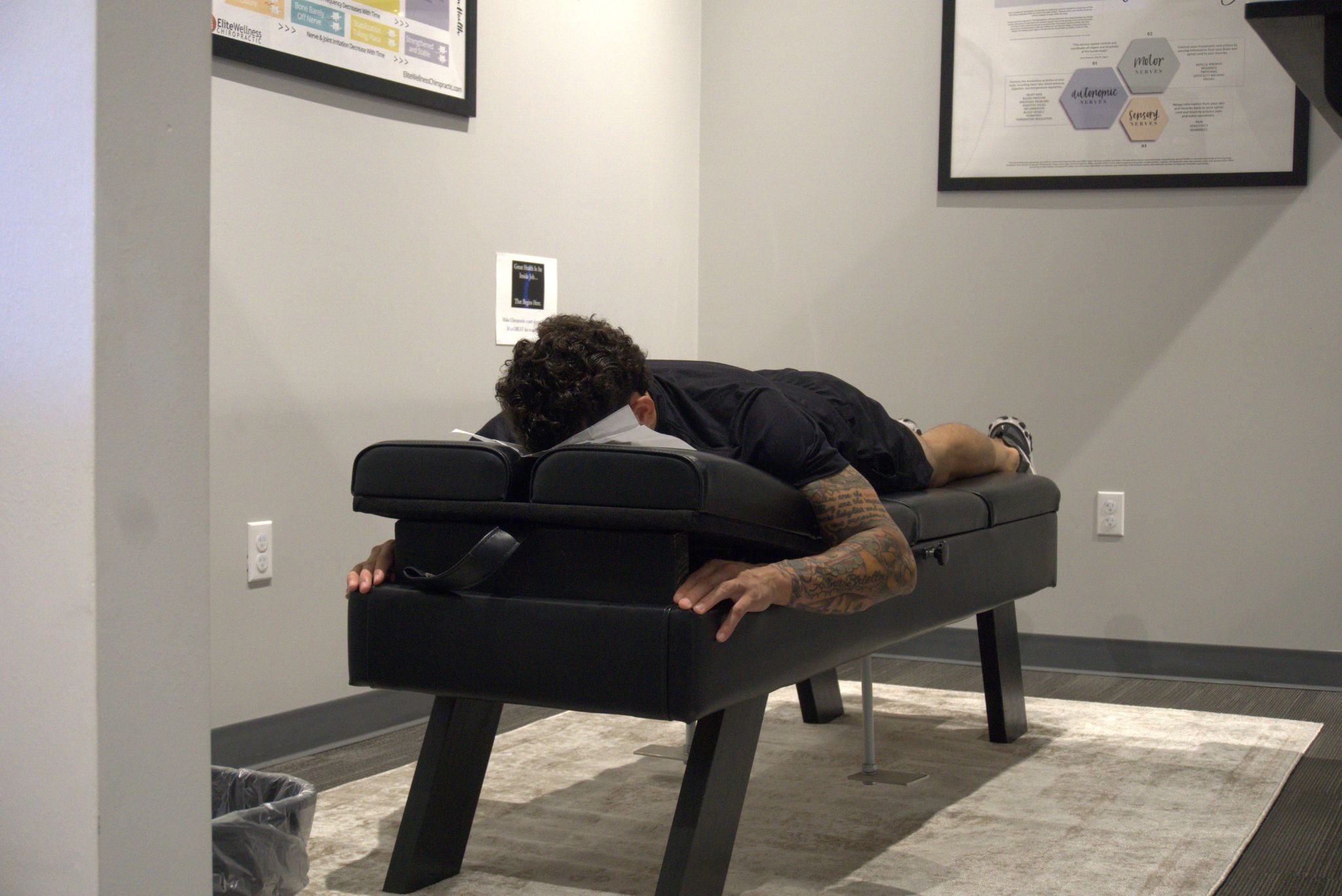
Patient lying on a chiropractic table during a corrective care evaluation at Elite Wellness Chiropractic.
Ask ten people what a chiropractor does, and you'll probably hear the same answer: "They crack backs."
Corrective chiropractic care goes much deeper than that.
It starts with understanding how the spine is aligned, how the body moves, and whether those patterns have changed over time. From there, care is designed around helping the body regain proper motion, improve posture, and function more efficiently.
Key Features of Corrective Care
- Identifies spinal misalignments and movement problems
- Supports healthy nervous system function
- Improves posture, mobility, and long-term stability
How Do Misalignments Affect Overall Health?
Misalignments don't always announce themselves with severe pain. They can show up as smaller problems that gradually become part of everyday life.
You might notice that your neck feels tight by the end of the workday. One shoulder sits higher than the other. You wake up stiff, get frequent headaches, or feel like you're constantly stretching the same areas without lasting relief.
Those patterns can place additional stress on joints, muscles, and supporting structures throughout the body. Left unaddressed, they may contribute to ongoing discomfort and reduced mobility.
Possible Effects of Misalignments
- Chronic pain and stiffness
- Headaches or muscle tightness
- Reduced mobility and flexibility
- Postural changes that place extra stress on the body
How Do Chiropractors Measure Progress?
Imagine trying to lose weight without ever stepping on a scale or measuring different parts of your body. You might feel different from day to day, but it would be difficult to know whether you're making meaningful progress.
The same principle applies to chiropractic care!
While symptom improvement matters, chiropractors also look for objective changes that can be measured over time.
At Elite Wellness Chiropractic, tools like posture assessments and follow-up X-rays help track changes in alignment and function throughout the care process. This allows Dr. Mikala Booher, DC, and her team to see what's improving, identify areas that still need attention, and make informed decisions about ongoing care.
Benefits of Tracking Progress
- Provides objective evidence of change over time
- Helps refine care plans when needed
- Gives patients a clearer picture of their progress
What Are the Key Differences Between Chiropractic and Traditional Medicine?
Medical doctors are trained to diagnose disease, manage symptoms, and address acute injuries or conditions that may require medication or surgery. Chiropractors focus on how the spine, joints, muscles, and nervous system work together to support movement and overall function.
Neither approach replaces the other. In many cases, they complement one another.
How Does Chiropractic Provide Long-Term Relief?
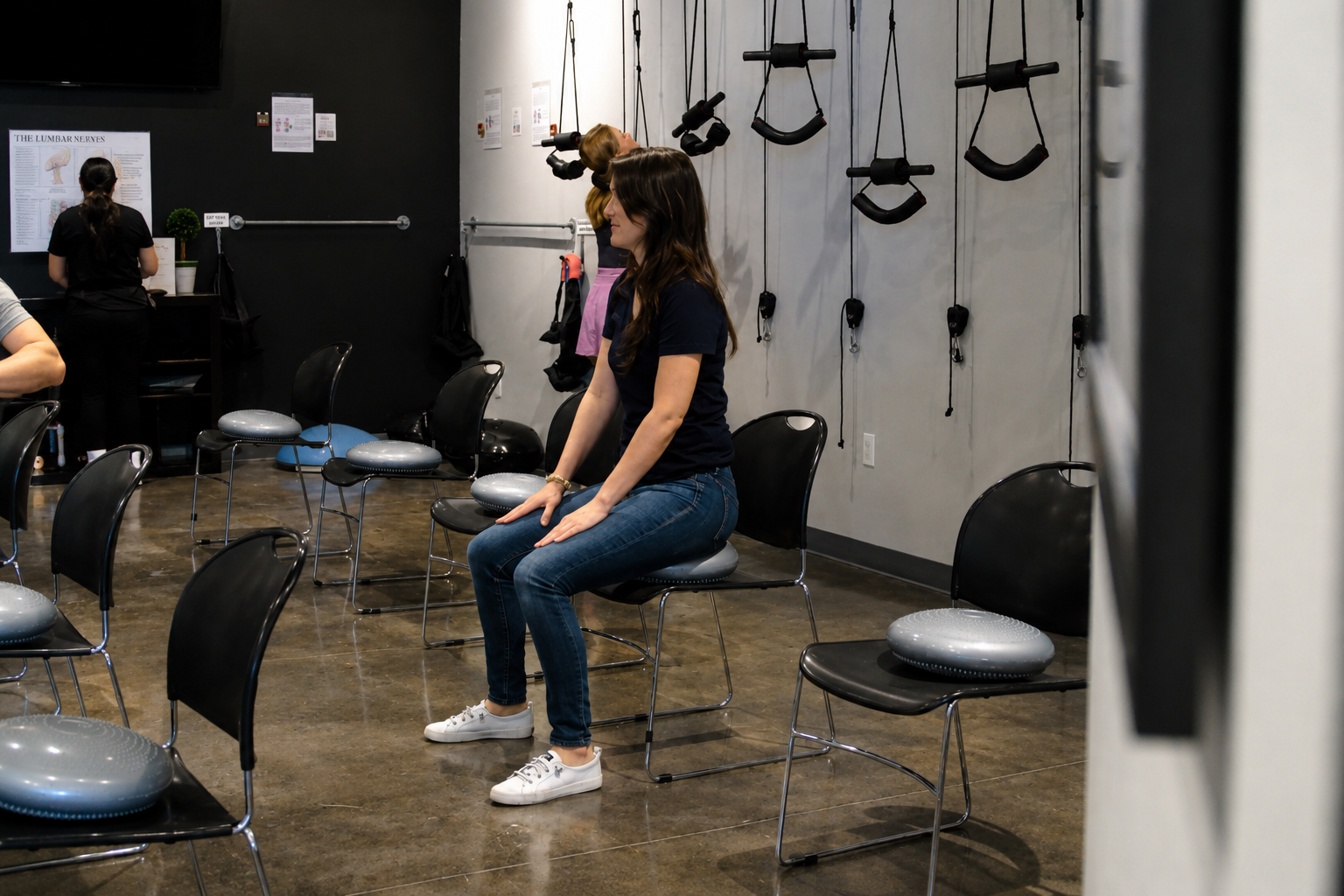
Long-term results rarely come from a single adjustment.
Corrective chiropractic care is designed to improve the way the body moves and functions over time. Rather than relying on short-term symptom changes alone, chiropractors monitor posture, alignment, mobility, and other objective findings throughout the care process.
Common Corrective Care Methods
- Spinal adjustments to restore healthy motion
- Soft tissue therapy to reduce muscle tension and restrictions
- Postural rehabilitation exercises to support better alignment and movement patterns
Why Is Chiropractic Considered a Safe, Non-Drug Alternative?
One reason many people explore chiropractic care is that it doesn't rely on medication to manage symptoms.
Instead, care focuses on hands-on adjustments, movement, posture, and rehabilitation exercises designed to improve how the body functions. For people looking for a conservative approach before considering more invasive options, chiropractic care can be a valuable part of their healthcare plan.
What Do Patient Success Stories Show?
No two patients have the same experience, but certain patterns tend to show up again and again.
As posture improves and movement becomes easier, patients often report less pain, fewer limitations during daily activities, and greater confidence in what their bodies can do. Follow-up imaging and posture assessments may also reveal measurable changes that support what they're feeling physically.
Common outcomes reported by patients include:
- Reduced pain and stiffness
- Improved spinal alignment on follow-up imaging
- Better mobility and quality of life
Why Choose Elite Wellness Chiropractic?
Finding a chiropractor isn't difficult. Finding one that takes the time to understand why your symptoms developed in the first place is a little harder. At Elite Wellness Chiropractic in Bee Cave, Dr. Mikala Booher, DC and her team focus on corrective care. Every recommendation is based on objective findings, not guesswork. The goal is to help patients understand what's happening, why it's happening, and what can be done about it.
What Sets Us Apart
- Digital X-rays and posture assessments to identify structural problems
- Personalized care plans based on your findings and goals
- Transparent, cash-based pricing with no insurance surprises
- Collaboration with other healthcare providers when appropriate
- A corrective approach focused on long-term function, not temporary symptom management
How Do You Get Started with Corrective Chiropractic?
Your first visit is designed to gather information, not rush into treatment.
At Elite Wellness Chiropractic, adjustments are not performed on the first visit. Instead, the team focuses on understanding your health history, evaluating your posture and movement, and collecting the information needed to determine whether corrective care is the right fit.
What to Expect at Your First Visit
- Health history review and consultation
- Posture and movement assessment
- Digital X-rays when appropriate
- Review of findings and discussion of next steps
Wear comfortable clothing, bring any previous imaging you may have, and be prepared to discuss when your symptoms started and how they've changed over time.
Ready to Find Out What's Really Causing Your Symptoms?
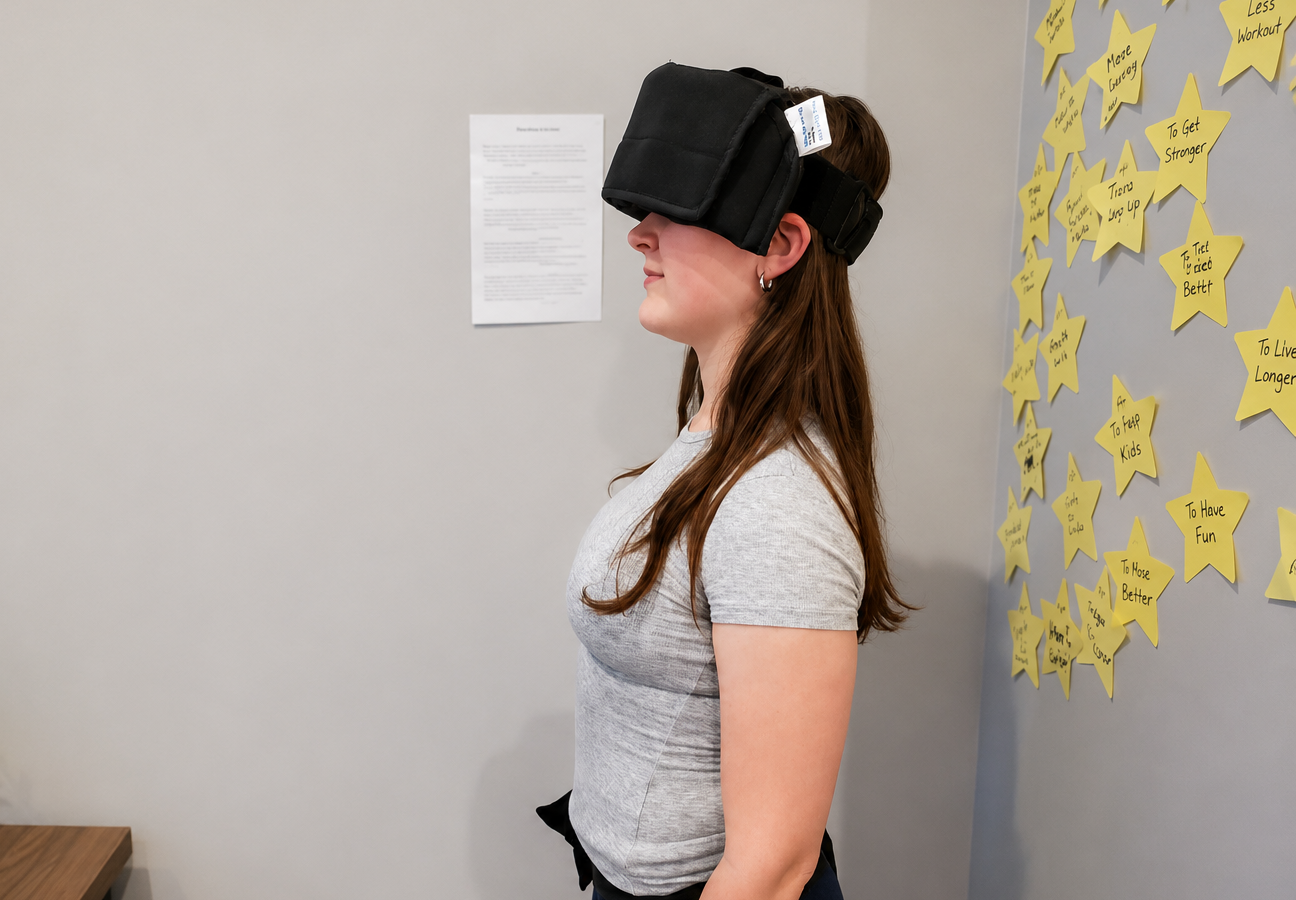
Patient undergoing a posture and balance assessment during a chiropractic evaluation at Elite Wellness Chiropractic.
Pain can be complicated. The same symptom can have several different causes, which is why getting the right answers matters.
If you've been relying on temporary fixes, dealing with recurring flare-ups, or simply want to understand what's happening beneath the surface, a thorough evaluation can provide clarity.
At Elite Wellness Chiropractic, Dr. Mikala Booher, DC, and the team use detailed exams, posture assessments, and digital X-rays to identify structural issues and determine whether corrective care is the right fit for you.
The first step isn't treatment. It's understanding what's going on and exploring your options with confidence!

Dr. Mikala Booher
Chiropractor and Owner at Elite Wellness Chiropractic
Featured Articles

10 Posture Tips for Residents of Bee Cave, Texas
Improve your posture with these 10 practical tips from Elite Wellness Chiropractic in Bee Cave. Simple daily changes for better spinal alignment and less pain.
10 Posture Tips for Residents of Bee Cave, Texas

What to Expect at Your First Chiropractic Visit in Bee Cave
Wondering what happens at your first chiropractic appointment? Here's a clear walkthrough of the consultation, exam, X-rays, costs, and how to prepare for your visit at Elite Wellness Chiropractic in Bee Cave.
What to Expect at Your First Chiropractic Visit in Bee Cave

Unlock Lasting Relief for Tech Neck: Beyond Temporary Fixes
Struggling with tech neck? Learn how corrective chiropractic care at Elite Wellness in Bee Cave can relieve neck pain, improve posture, and restore lasting comfort.
Unlock Lasting Relief for Tech Neck: Beyond Temporary Fixes