Back Pain
Sciatica: What It Is, What Causes It, and How Corrective Care Helps
June 30, 2026
Sciatica isn't just back pain. It can send sharp, burning, or aching pain from your lower back into your hip, buttock, and down your leg. For some people, it's constant. For others, it comes and goes, making it difficult to predict when it'll flare up. It can make sitting through a workday uncomfortable, turn a quick trip to the grocery store into a challenge, or leave you skipping workouts, family outings, and other plans because the pain is too hard to ignore.
Sciatica develops when the sciatic nerve becomes irritated or compressed, often because of a herniated disc or spinal stenosis. Finding the source of that pressure is the first step toward choosing the right treatment and reducing the chances of the pain coming back, which is why corrective care is the foundation of our approach at Elite Wellness Chiropractic.
Key Takeaways
- Sciatica is caused by pressure or irritation of the sciatic nerve, often due to conditions such as a herniated disc or spinal stenosis.
- Pain isn't the only symptom. Sciatica can also cause numbness, weakness, and difficulty with everyday activities like walking, sitting, or climbing stairs.
- Finding the underlying cause is key to choosing the right treatment. Different causes require different approaches to care.
- Corrective chiropractic care focuses on reducing pressure on the sciatic nerve and may include spinal adjustments, therapeutic exercises, posture training, and lifestyle recommendations.
- Getting evaluated early can help prevent symptoms from becoming more severe and provide a clearer path toward recovery.
What is Sciatica?
Sciatica occurs when the sciatic nerve, the longest nerve in your body, becomes irritated or compressed. It runs from your lower back, through your hips and buttocks, and down each leg. When pressure is placed on the nerve, it can cause symptoms ranging from mild discomfort to sharp, radiating pain that makes everyday activities more difficult.
Without treatment, sciatica can become more frequent or severe over time. Ongoing nerve irritation may lead to chronic pain, numbness, muscle weakness, or reduced mobility, making it harder to work, stay active, or enjoy your normal routine.
Causes of Sciatica
Not everyone with sciatica has the same underlying problem. While the pain may feel similar, the cause can be very different from one person to the next.
Some of the most common causes include:
- Herniated Discs: A herniated disc happens when the soft center of a spinal disc pushes through a tear in the outer layer and presses against a nearby nerve.
- Spinal Stenosis: This condition narrows the spaces within the spine, putting pressure on the spinal cord and surrounding nerves.
- Piriformis Syndrome: The piriformis muscle, located deep in the buttocks, can tighten or spasm and irritate the sciatic nerve.
Identifying what's causing your sciatica is an important step because the right treatment depends on the source of the problem.
Symptoms of Sciatica
The most common symptom of sciatica is pain that follows the path of the sciatic nerve, but it isn't the only sign. You may also notice changes in sensation or muscle strength, depending on how much the nerve is being affected.
Common symptoms include:
- Radiating Pain: Pain that starts in the lower back or buttocks and travels down the leg. It may feel sharp, burning, or like an electric shock.
- Numbness: Reduced feeling or numbness in the affected leg or foot.
- Weakness: Weakness in the affected leg or foot, which can make walking, climbing stairs, or standing for long periods more difficult.
These symptoms can gradually worsen if the underlying cause isn't addressed, so it's best not to ignore them.
Diagnosis of Sciatica
Many people try to push through sciatica, hoping it'll settle down on its own. While mild cases can improve with time, ongoing or worsening symptoms are worth having checked. Getting the right diagnosis early can help identify what's causing the pain before it begins interfering with more of your daily life.
To find the source of the problem, your healthcare provider may recommend:
- Physical Exam: A physical exam checks your muscle strength, reflexes, and nerve function to help identify which part of the nerve is affected.
- Imaging Studies: MRI and CT scans provide detailed images of the spine and can reveal problems such as herniated discs, spinal stenosis, or other structural changes.
- Nerve Conduction Studies: These tests measure how well electrical signals travel through your nerves and can help confirm nerve irritation or damage.
The sooner the underlying cause is identified, the sooner you can begin a treatment plan that's appropriate for your condition.
Chiropractic Care for Sciatica
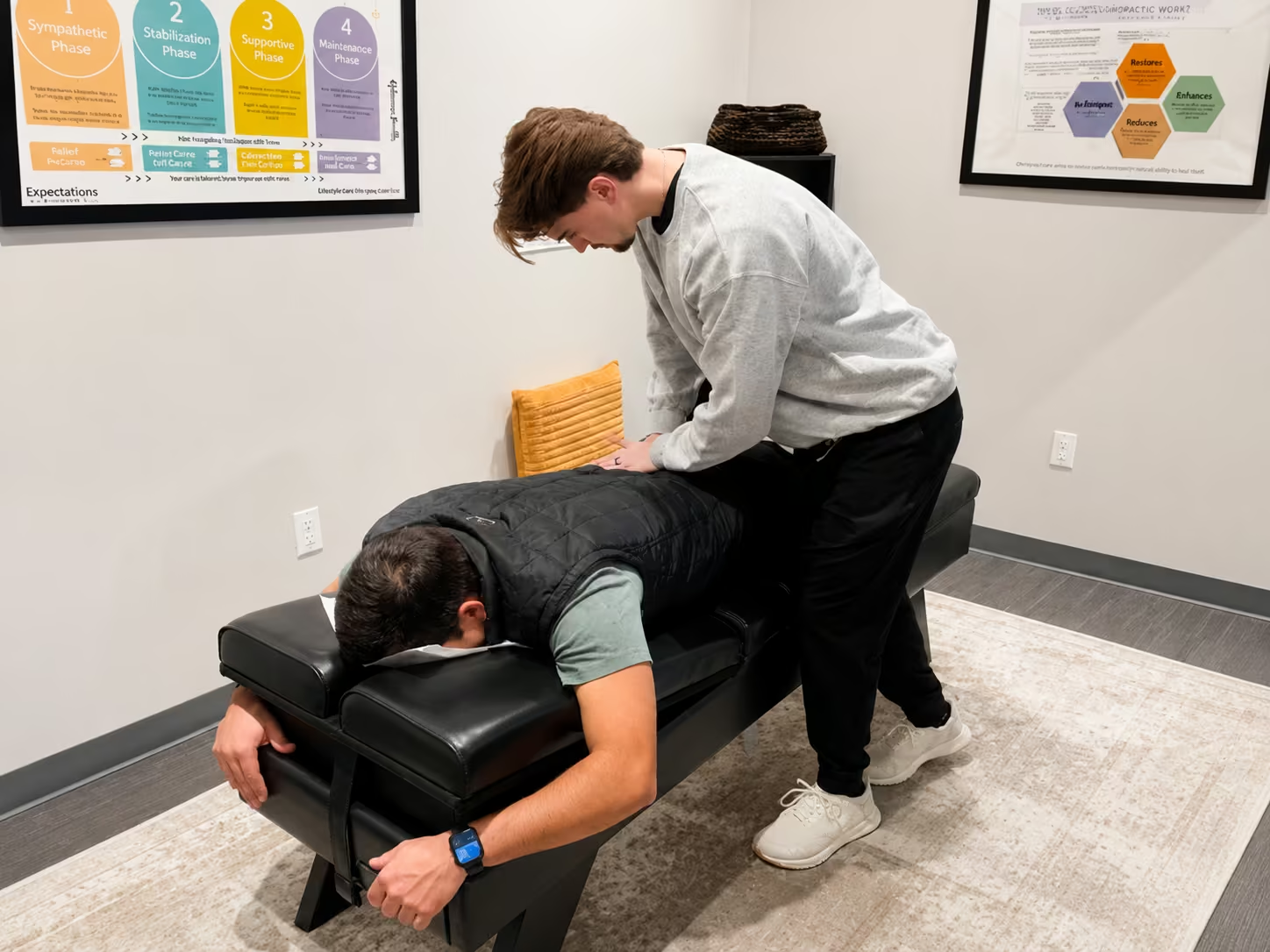
The goal of corrective chiropractic care is to reduce pressure on the sciatic nerve by addressing the underlying cause of your symptoms. When that pressure is relieved, many people notice less pain, better mobility, and an easier time getting back to work, exercise, and other daily activities.
At Elite Wellness Chiropractic, your $60 New Patient Experience includes a detailed examination and digital X-rays to identify what's causing your sciatica. Dr. Mikala Booher, DC, uses those findings to create a personalized corrective care plan based on your diagnosis.
Depending on your condition, your care plan may include:
- Diagnostic Imaging: Digital X-rays or MRI scans, when appropriate, to evaluate the underlying cause of your symptoms.
- Corrective Therapies: Techniques designed to reduce pain, improve movement, and support long-term recovery.
- Posture Training: Practical strategies to reduce unnecessary strain on your spine during everyday activities.
- Therapeutic Exercises: Customized exercises to improve flexibility and strengthen the muscles that support your spine.
- Lifestyle Counseling: Guidance on movement, ergonomics, and daily habits that support your recovery.
How do spinal adjustments and corrective therapies alleviate nerve compression?
When the spine isn't moving or aligning as it should, it can place extra stress on the surrounding joints, muscles, and nerves. Spinal adjustments are designed to improve alignment and movement, which may reduce pressure on the sciatic nerve and support your body's natural healing process.
Corrective therapies, including targeted exercises and stretches, help strengthen the muscles that support your spine, improve flexibility, and encourage better movement patterns. Together, these treatments are designed to address the underlying cause of sciatica rather than simply managing the symptoms.
Complementary Treatment Options
Corrective chiropractic care is often just one part of a broader recovery plan. Depending on your symptoms and overall health, your provider may also recommend additional treatments to support your progress.
These may include:
- Physical Therapy: Exercises designed to improve strength, flexibility, and mobility.
- Massage Therapy: Helps reduce muscle tension that may be contributing to nerve irritation.
- Acupuncture: Some people find acupuncture helpful for managing pain alongside their primary treatment plan.
The right combination of treatments depends on what's causing your sciatica and how your body responds to care.
What evidence supports chiropractic care's effectiveness for sciatica relief?
Research suggests that chiropractic care can help reduce pain and improve mobility for many people with sciatica. In one study, patients reported less pain and better function after receiving spinal manipulations. Clinical guidelines also recognize chiropractic care as a safe, non-surgical, and cost-effective treatment option for many cases of sciatica.
While every person's recovery is different, these findings show why chiropractic care is often recommended as part of a conservative treatment plan before considering more invasive options.
Effectiveness and Expectations
Recovery from sciatica doesn't happen overnight. How quickly you improve depends on what's causing your symptoms, how long you've been dealing with them, and how your body responds to treatment.
Many notice improvements in pain, mobility, and daily function as they progress through their care plan. Following your recommended treatment schedule and completing any prescribed exercises at home can also play an important role in your recovery. Even after your symptoms improve, ongoing maintenance care may be recommended to help support spinal health and reduce the risk of future flare-ups.
Prevention of Sciatica
You can't prevent every case of sciatica, but small habits can reduce unnecessary strain on your spine and lower your risk of future flare-ups.
- Maintain Good Posture: Sitting and standing with good posture helps reduce unnecessary pressure on your spine and surrounding nerves.
- Stay Active: Regular exercise keeps your core and back muscles strong, helping to support your spine.
- Lift Properly: Bend your knees, keep the object close to your body, and avoid twisting while lifting heavy items.
- Improve Your Workspace: Adjust your chair, desk, and computer screen so your spine stays in a comfortable, supported position throughout the day.
- Maintain a Healthy Weight: Carrying excess weight places additional stress on your spine and can increase the risk of disc problems.
When to Seek Medical Attention
Certain sciatica symptoms can signal a more serious underlying condition and shouldn't be ignored. Seek medical attention if you experience:
- Severe or worsening pain that doesn't improve with rest.
- Significant weakness or numbness in your leg or foot.
- Loss of bladder or bowel control.
- Symptoms that begin after a traumatic injury, such as a fall or car accident.
Looking for Lasting Relief From Sciatica?
Living with sciatica doesn't have to become your new normal. Identifying the underlying cause of your symptoms is the first step toward finding a treatment plan that's right for you.
At Elite Wellness Chiropractic, Dr. Mikala Booher, DC, takes a corrective approach that focuses on what's causing your pain, not just managing the symptoms. Your $60 New Patient Experience includes a detailed examination and digital X-rays to determine whether corrective chiropractic care is the right fit for your condition.
If you're ready to stop guessing and start getting answers, schedule your appointment today.
Frequently Asked Questions
Can sciatica heal on its own without treatment?
Mild cases of sciatica may improve with rest, self-care, and time. If your symptoms persist, become more severe, or keep coming back, it's a good idea to seek treatment to identify and address the underlying cause.
Is chiropractic treatment safe for everyone with sciatica?
Chiropractic care is generally safe for most individuals. However, a thorough evaluation is necessary to rule out conditions where manipulation may be contraindicated. Patients should disclose their full medical history to their chiropractor.
How long does chiropractic treatment for sciatica typically last?
Treatment timelines vary depending on what's causing your sciatica and how your body responds to care. Some people notice improvement within a few weeks, while others require a longer treatment plan. After your evaluation, your chiropractor can give you a better idea of what to expect.
Are there exercises I can do at home to help relieve sciatica?
Yes, many corrective exercises and stretches prescribed by a chiropractor can be safely performed at home to support recovery and prevent recurrence.
When should I consider surgical options for sciatica?
Surgery is usually considered only if conservative treatments haven't provided relief or if there's severe nerve damage or loss of function. Your healthcare provider or spine specialist can help determine whether surgery is the right option for your condition.

Dr. Mikala Booher
Chiropractor and Owner at Elite Wellness Chiropractic
Featured Articles

Unlocking Holistic Wellness: Elite's Comprehensive Chiropractic Care
Most people associate chiropractic care with the 'back crack,' but the real goal is restoring movement, improving alignment, and helping your body function the way it's meant to. At Elite Wellness Chiropractic in Bee Cave, comprehensive corrective care focuses on the root cause of your pain instead of temporary symptom relief. Using detailed exams and digital X-rays, Dr. Mikala Booher, DC, builds personalized plans that support lasting improvements in posture, mobility, energy, and overall well-being.
Unlocking Holistic Wellness: Elite's Comprehensive Chiropractic Care

Unlock Lasting Relief for Tech Neck: Beyond Temporary Fixes
Struggling with tech neck? Learn how corrective chiropractic care at Elite Wellness in Bee Cave can relieve neck pain, improve posture, and restore lasting comfort.
Unlock Lasting Relief for Tech Neck: Beyond Temporary Fixes